Home › Walkway and Pathway Paving
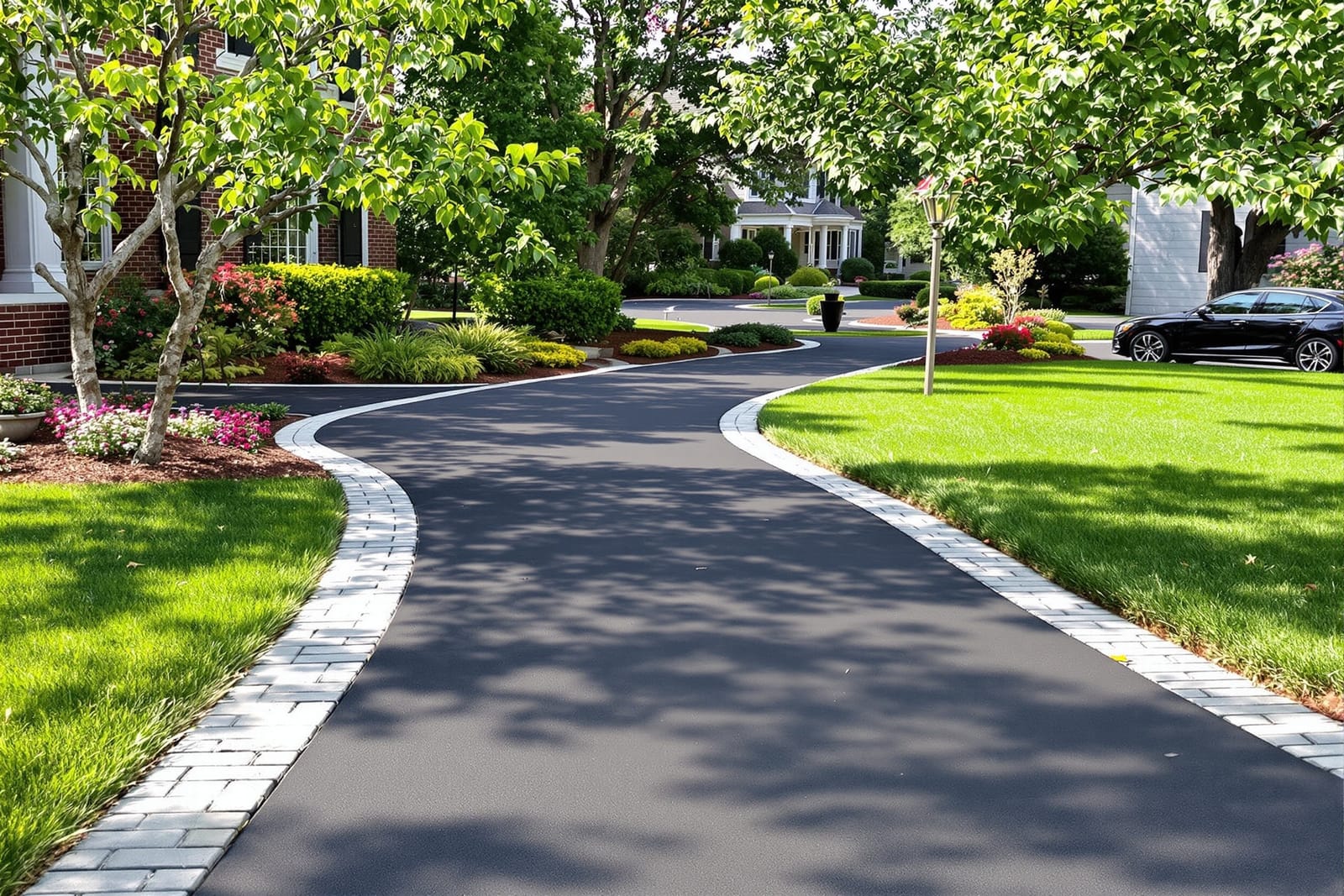
Add safe, attractive access around your home with asphalt walkway paving in Phoenix, AZ. We design and pave smooth paths to doors, sheds, and outdoor areas, with proper grading and edging for a clean, finished look.
Precision Asphalt Phoenix provides professional asphalt walkway paving throughout Phoenix, AZ, Arizona and the surrounding area. Our licensed, insured crew delivers safe, clean, on-time work with a free estimate before anything begins. Call (602) 603-4424 or request your free quote.
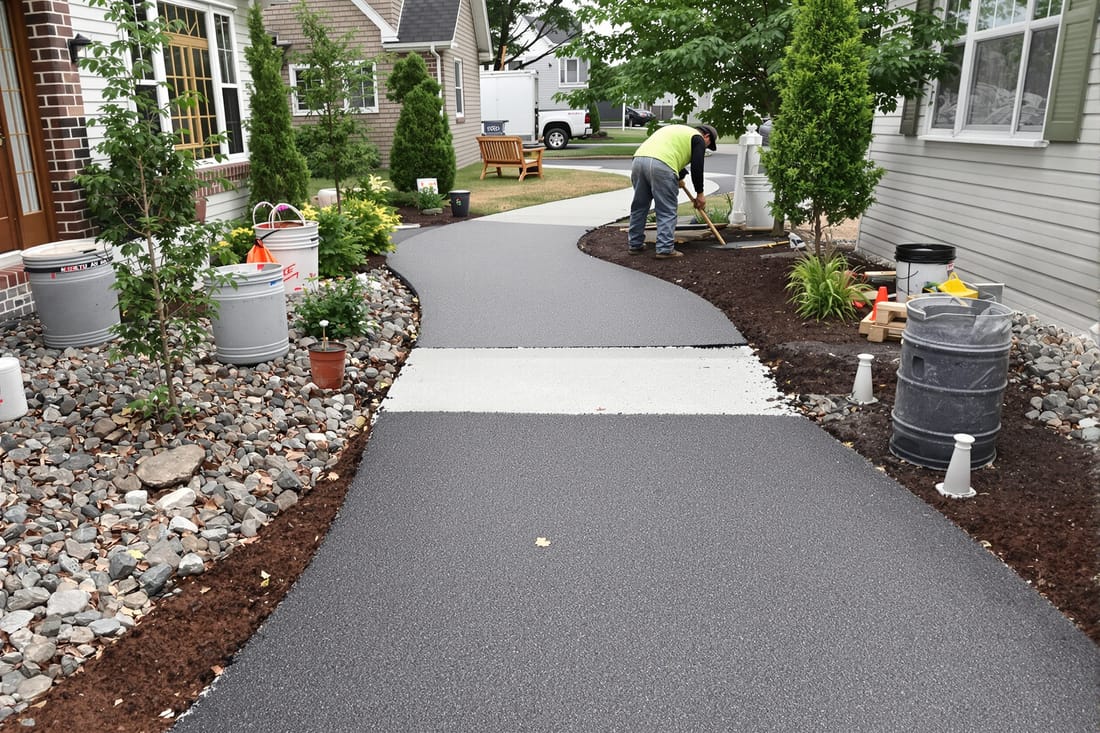
Durable asphalt walkways built for Phoenix foot traffic
At Precision Asphalt Phoenix, we design and install asphalt walkways and pathways that handle intense sun, heavy foot traffic, and the occasional desert downpour. Whether you need a clean pedestrian route through a commercial complex, HOA trail system, school campus, or a simple path from driveway to front door, we build surfaces that stay smooth and safe in Phoenix conditions.
Unlike light-duty decorative paths, our asphalt walkway paving is engineered for daily use. We evaluate how people will actually move across your property, where they will cut corners, and where mobility or stroller access matters. Then we tie your new walkway into existing drives, parking lots, ramps, and entries so people naturally follow the paved path instead of wearing ruts through your landscaping.
Because we are local to Phoenix, we design your walkway to tolerate 110+ degree surface temperatures, UV exposure, and the expansion and contraction that comes with big temperature swings from day to night. That local experience is what keeps your walkway from cracking or unraveling within a couple of summers.
How we plan your walkway or pathway project
Good asphalt walkway paving starts with layout and grades, not with the first truck of asphalt. Our team walks your site with you and looks at how the area is currently used, where water tends to sit after monsoon storms, and how the new path will interact with landscaping, existing pavement, and building entrances.
We map a route that balances the shortest walking distance with safety and drainage. For example, in Phoenix multifamily communities, we often re-route planned walkways a few feet to avoid low spots where irrigation runoff collects. On school campuses we widen turns and landings near doorways so groups of students can pass without stepping into landscape rock.
During planning we also determine slope and cross slope. For accessible routes we aim for no more than a 5 percent running slope and around a 2 percent cross slope so the path sheds water but is comfortable for wheelchairs and walkers. All of this is documented before we begin excavation so you know exactly what is being built and where.
Step by step: how asphalt walkway paving is installed
On installation day, our crew follows a clear sequence to get a dense, long lasting walkway surface.
1) Layout and marking: We mark the path edges with paint and string lines, confirm curb tie ins and door thresholds, and identify any underground utilities to avoid.
2) Excavation: For most Phoenix walkways we remove 4 to 8 inches of soil, depending on the native ground and expected use. In areas with expansive clay or loose fill, we dig deeper or proof roll the subgrade to find soft spots that need undercutting.
3) Subgrade prep: We shape the native soil to the planned slope, compact it with a plate compactor or roller, and address any soft areas with additional compaction or replacement material. This step is crucial in the Valley because poorly compacted desert soils tend to settle after irrigation.
4) Base course: We install 3/8 inch or 3/4 inch aggregate base, usually 3 to 6 inches thick for pedestrian paths, and compact it in thin lifts. For paths that may see golf carts or maintenance vehicles, we increase base thickness and sometimes upgrade to a higher strength aggregate.
5) Asphalt placement: We install a 1.5 to 2.5 inch lift of hot mix asphalt, spread by small paver or by hand for tight areas. The mix is delivered from local plants and matched to the time of year so it works correctly in extreme heat.
6) Compaction and finishing: Using a small vibratory roller and plate compactors around edges, we compact the asphalt to lock the aggregate together and achieve a smooth walking surface without ridges or trip lips.
7) Joint and edge treatment: At tie ins to existing concrete or asphalt, we create smooth transitions to avoid trip hazards. Where the path meets landscaping, we may leave a clean asphalt edge or pour a small concrete or metal border if requested to keep rocks off the walkway.
Most small walkways are ready for foot traffic within a few hours of compaction, although we typically recommend keeping carts and service vehicles off for 24 hours.
Material and design options for your asphalt walkway
Even though asphalt walkways are functional first, you still have options to match the look and use of your property.
Thickness and structure: Standard pedestrian routes in Phoenix do well with 1.5 to 2 inches of asphalt on 3 to 4 inches of base. For HOA trails used by golf carts or light maintenance trucks, we may recommend 2.5 inches of asphalt on 6 inches of base. For narrow service paths behind commercial buildings, we sometimes use a thicker base and slightly thinner asphalt to control costs while staying strong.
Alignment and width: Residential access paths are commonly 3 to 4 feet wide, while shared use paths in parks or multifamily communities run 5 to 8 feet so two people can walk side by side or pass comfortably. We also radius corners instead of sharp angles, which reduces cracking and looks cleaner.
Surface treatments: For higher visibility and lower surface temperature, we can apply sealcoat with light aggregate for extra texture, or use specialty coatings that reflect more sunlight. Along busy parking lots or school drop off zones, we add striping, stop bars, and crosswalk markings on the asphalt walkway itself so drivers and pedestrians see each other clearly.
Borders and transitions: If you prefer a more finished look, we can pair asphalt walkways with concrete curb, mow strips, or paver borders. Around desert landscaping we often set the walkway slightly higher than adjacent rock, which keeps pea gravel from spilling onto the walking surface.
What affects the cost of asphalt walkway paving in Phoenix
Walkway and pathway paving costs are driven by more than just square footage. When Precision Asphalt Phoenix develops a proposal, we walk through the site specific factors that affect your price so you understand where your budget is going.
Access and layout: Straight, open runs with good truck access cost less per foot than narrow, winding paths that we must build with smaller equipment and more hand work. Backyards or courtyards that require material to be moved in with smaller machines can increase labor time.
Ground conditions: If the existing soil is loose, poorly compacted fill, or stays wet from irrigation, we may need deeper excavation, more base rock, or geotextile fabric to stabilize it. These upgrades add cost up front but prevent settlement and cracked asphalt later.
Thickness and traffic: Paths for simple foot traffic can use lighter sections than those meant for carts, maintenance vehicles, or emergency access. Increasing asphalt or base thickness, or using higher performance mixes, changes the price but can save you from rutting and early failure.
Drainage and demolition: Removing existing concrete slabs, broken asphalt, or tree roots, and adding drainage features like valley gutters or catch basins, will affect the total investment. In Phoenix, solving drainage around walkways is important because standing water accelerates damage under intense sun.
We are transparent about each of these elements in our estimates, so you can adjust scope, alignment, or section thickness to get a walkway that fits both your site and your budget.
Common walkway problems in Phoenix and how we prevent them
Phoenix climate creates some specific problems for walkways if they are not designed and built correctly. We address these issues directly in our asphalt walkway paving approach.
Sun and heat cracking: Constant UV exposure and high surface temperatures dry out asphalt binders. We counter this by using mixes appropriate for hotter climates and recommending a sealcoating schedule that keeps your walkway flexible longer.
Tree root upheaval: Roots from mesquite, pine, and other common shade trees can push up pavement and create trip hazards. Before we pave, we look at nearby trees, adjust alignments to avoid major roots when possible, and in some cases recommend root barriers or alternative routes.
Water pooling at low points: Even short monsoon storms can leave water sitting on an improperly graded walkway. We set precise grades, check them during base installation, and create positive drainage to adjacent landscaping or inlets so water runs off the path instead of sitting on it.
Edge breakdown: On paths without curbs, repeated foot traffic and landscape maintenance can start to crumble the sides of the asphalt. We combat this by properly compacting edges, sometimes widening the base layer beyond the asphalt, and offering optional concrete or metal edging where equipment frequently crosses.
By planning for these local issues from the start, Precision Asphalt Phoenix builds walkways that stay safe and attractive instead of becoming a maintenance headache after a couple of summers.
What to know before hiring an asphalt walkway paving contractor
Before you choose a contractor for your walkway or pathway project, there are a few Phoenix specific questions worth asking.
Ask how they handle heat and scheduling. Asphalt temperatures and work times must be adapted to the season. In summer we often schedule walkway paving early in the morning, which reduces disruption for your property and gives us better working conditions and compaction results.
Confirm how they will manage drainage and accessibility. A qualified contractor should talk about slopes, cross slopes, and how the path ties into door thresholds, curb ramps, and parking areas. If they do not mention ADA considerations for accessible routes, that is a red flag.
Request details on excavation depth, base thickness, and asphalt thickness specifically for walkways, not just vehicle pavements. Walkways have different loading patterns, and copying parking lot designs can either waste money or create a surface that fails sooner.
Finally, look for a local team, like Precision Asphalt Phoenix, that can point to completed walkways in the Valley and explain how those projects have performed over several summers. Local references, clear plans, and written scopes of work are strong signs you will get a durable, low maintenance walkway instead of a short term patch.
If you are planning a new walkway or upgrading aging paths, our team can meet you on site, review your options, and provide a detailed asphalt walkway paving plan tailored to your property and Phoenix conditions.