Home › Gravel-to-Asphalt Conversions
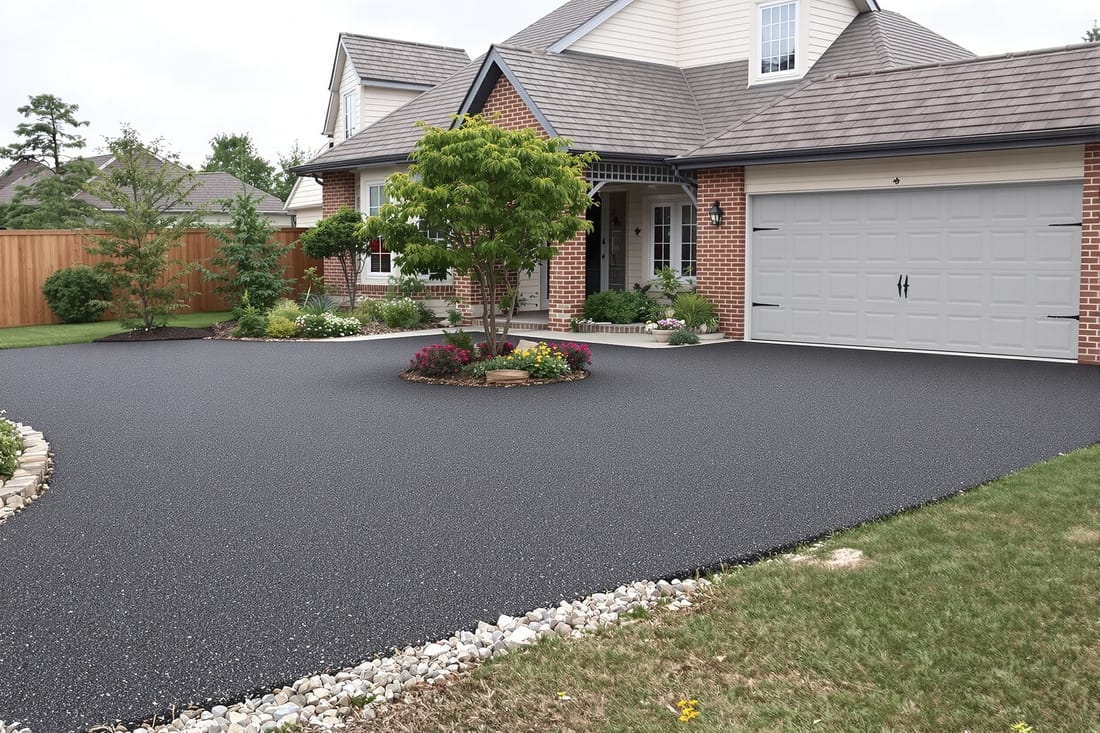
Tired of dust, mud, and ruts from your gravel drive. Our gravel to asphalt driveway conversions in Phoenix, AZ transform rough surfaces into smooth, durable blacktop with proper grading and compaction for long term performance.
Precision Asphalt Phoenix provides professional gravel to asphalt driveway throughout Phoenix, AZ, Arizona and the surrounding area. Our licensed, insured crew delivers safe, clean, on-time work with a free estimate before anything begins. Call (602) 603-4424 or request your free quote.
Turn Your Dusty Drive Into a Durable Asphalt Surface
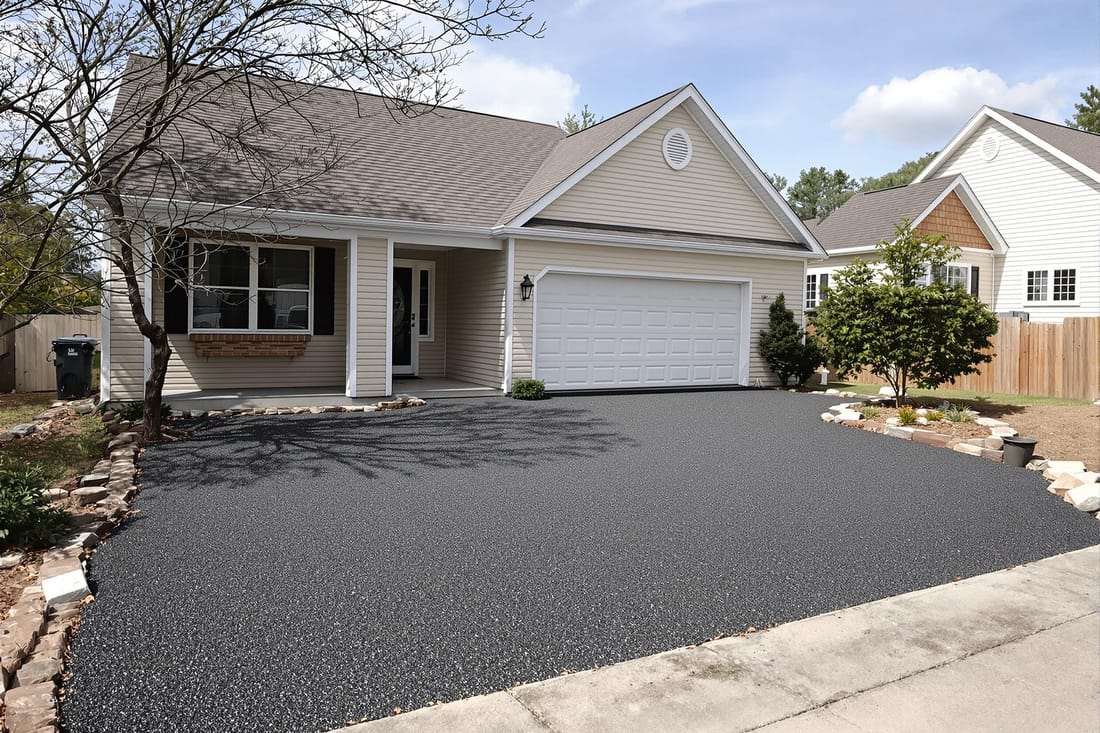
If you are tired of ruts, dust, and washouts every monsoon season, converting your gravel to an asphalt driveway can be a smart upgrade for your Phoenix property. Precision Asphalt Phoenix focuses on gravel-to-asphalt conversions that hold up to our intense heat, sudden downpours, and heavy use.
We do not treat a conversion as a quick overlay. A long-lasting asphalt driveway starts with correcting the problems that have been hiding in the gravel. That means fixing low spots that collect water, compacting the base so it does not move when temperatures swing from cool mornings to 110-degree afternoons, and making sure the finished surface drains correctly. Our crews work across Phoenix, Glendale, Peoria, Scottsdale, and surrounding areas, so we understand how local soil and weather affect driveways.
When we visit your property, we look at how you use the drive. A single-family home with light traffic needs a different design than a shared easement used by delivery trucks or trailers. We will discuss asphalt thickness, whether you need a heavier-duty edge or concrete aprons at the street, and what kind of maintenance to plan for. The goal is a finish that feels solid under your tires and stays that way through summer heat and monsoon storms.
How We Convert a Gravel Driveway to Asphalt in Phoenix
A proper gravel to asphalt driveway conversion follows a clear process. Precision Asphalt Phoenix sticks to each step, because skipping them usually leads to cracks, dips, and edge failures in a few years.
1. Site evaluation and measurements. We inspect the existing gravel, check how thick it is, and probe down to the native soil. In Phoenix it is common to hit caliche or loose sandy soil, and we need to know which we are working with. We check drainage paths, look for water running toward the house or garage, and mark utilities.
2. Grading and shaping the base. We use skid steers and graders to cut down high spots and fill low ones. The driveway is shaped with a slight crown (higher in the center) or a single cross slope so water runs to the sides instead of pooling in the middle. This is especially important because short, intense desert storms can drop a lot of water in minutes.
3. Base repair and compaction. Existing gravel is reused when it is clean and stable, then we add ABC (aggregate base course) if needed. The base is moisture-conditioned, then compacted with vibratory rollers in several passes to reach a firm, unyielding surface. Soft spots are cut out and replaced, not just rolled over, since those are the places that become potholes later.
4. Edge support and transitions. Where a driveway meets dirt shoulders, we build out the base wider than the asphalt so vehicle edges do not break off under load. At the street or garage, we plan smooth tie-ins and, if needed, saw-cut the existing pavement or concrete for a clean joint.
5. Asphalt placement. Hot mix asphalt is brought in from a local Phoenix plant so it reaches your property at the right temperature. We spread it with a paver for consistent thickness, then compact it with steel and pneumatic rollers. Typical residential drives get 2 to 3 inches of compacted asphalt, while heavier-use or RV areas may need more.
6. Final rolling and clean up. Joints are checked, low spots are corrected while the mix is still workable, and edges are neatly finished. We leave you with clear instructions on curing time and when to drive or park on the new surface.
Asphalt Options That Work in Phoenix Heat
Not every gravel to asphalt driveway project needs the same material or finish. Precision Asphalt Phoenix helps you choose options that make sense for your budget and for the way Phoenix weather treats pavement.
Most residential conversions use hot mix asphalt with a 3/8 inch or 1/2 inch aggregate blend. The smaller aggregate gives a smoother finish that is easier to walk on and simpler to shovel if you ever travel to the high country and bring back caked mud. For heavier traffic, such as large pickups, trailers, or frequent deliveries, we may recommend a slightly coarser mix or a thicker lift to better resist rutting in summer heat.
Color is generally the standard dark asphalt, which absorbs heat. If heat buildup is a concern, we can discuss lighter chip seal accents on side parking areas or strategic shading, but true cool pavement options are still limited in typical driveway budgets. We are upfront about what actually works and what is mostly marketing.
For appearance and performance, you can choose straight asphalt or asphalt with reinforced edges, like concrete ribbons or thickened asphalt at the sides. In neighborhoods with HOA guidelines, many clients ask us to match existing community drives. We handle that by matching aggregate size and finish, and we can help you prepare any simple documentation the HOA requests about the construction method.
Finally, we talk about maintenance before you commit. In Phoenix, an asphalt driveway will usually benefit from sealcoating every 3 to 5 years to shield it from UV and minor fluid drips. We explain which sealers make sense for our climate and which products to avoid, so your new surface does not soften or track.
What Affects the Cost of a Gravel-to-Asphalt Conversion
Customers often ask why their neighbor's gravel to asphalt driveway cost is different from their own. Precision Asphalt Phoenix walks you through the specific factors that change pricing so you can make informed decisions.
Driveway size and shape is the first factor. A straight, open run costs less per square foot than a narrow, winding drive with tight access, since the latter may require more hand work and small equipment. Long rural drives might seem simple, but if they cross drainage washes or steep grades, we need extra base work to prevent washouts.
Existing base condition is usually the biggest swing item. If your gravel is deep, clean, and already well compacted, we can often use most of it. If it is thin, mixed with a lot of fines and dust, or sitting on soft subgrade, we need more aggregate base and more time to repair soft areas. In older Phoenix neighborhoods with irrigation or old leaks, we sometimes find saturated pockets that must be dug out.
Thickness of asphalt and base also affects cost. We will not recommend the thinnest option just to win the bid, because in our climate that usually leads to early cracking. Instead, we show you a base-and-asphalt combination that matches your use. If you park RVs or work trucks, we will likely suggest a stronger section and explain the added cost versus the risk of future failure.
Access and timing can also play a role. If trucks cannot get close because of landscaping or narrow gates, it takes more labor to move materials. Scheduling around monsoon season may mean choosing morning pours to avoid afternoon storms, which affects crew planning. We keep these details transparent and put them in writing so you know what you are paying for and why.
Common Problems We Solve in Phoenix Gravel Driveways
Not every gravel to asphalt driveway conversion starts from a clean slate. Many Phoenix properties have existing issues that need correction so the asphalt does not simply mirror old problems.
Poor drainage is the most common. We often see driveways that sit slightly below the surrounding yard or slope toward the house. During a monsoon downpour, these become channels that send water where you do not want it. Precision Asphalt Phoenix uses regrading, added swales, and sometimes surface inlets to redirect water away from structures before we ever place asphalt.
Dust control is another frequent complaint, especially on county-island properties or homes near Desert Ridge, Laveen, or the outskirts of Buckeye. Converting gravel to asphalt immediately cuts down airborne dust that gets into garages, pool equipment, and landscaping. Where access roads still need to remain unpaved, we help define a transition area so the main parking and approach stay clean.
Ruts and washboarding from garbage trucks, delivery vans, or frequent turning are also fixable with proper design. By thickening the asphalt where turning movements are heaviest and improving the aggregate base under those zones, we can greatly reduce future deformation. We sometimes widen tight corners slightly so vehicles are not constantly riding along the same narrow strip.
Lastly, we see a lot of DIY or piecemeal gravel work that has built up layers over time. These layers may hide soft soil, buried debris, or old concrete. When that is the case, we selectively remove sections, expose what is below, and rebuild those areas correctly. This step takes more effort up front, but it prevents the new asphalt from settling in random spots later on.
What to Expect When You Hire Precision Asphalt Phoenix
When you reach out about a gravel to asphalt driveway, we start with a site visit rather than a guess over the phone. A Precision Asphalt Phoenix estimator will walk the drive with you, take measurements, check elevations, and ask how you use the space on a daily basis.
After the visit, you receive a written proposal that outlines the base preparation, asphalt thickness, drainage changes, and any optional upgrades such as edge treatments or extra parking pads. We list what is included and what is not, such as removal of unexpected underground obstructions, so there are fewer surprises.
On installation day, you can expect some noise and equipment activity. We ask that vehicles be moved out of the work zone and that sprinklers be turned off. Our crew will strip and regrade the gravel as needed, compact the base, and place asphalt the same day whenever possible. In extreme heat, we may schedule earlier start times to ensure the mix is installed correctly.
Once the asphalt is placed, most residential driveways can handle light foot traffic almost immediately. We typically recommend waiting 24 to 48 hours before regular vehicle use, depending on temperature and thickness. Our crew will go over these time frames with you before we leave.
We also provide basic care instructions, such as avoiding sharp turning on hot days for the first couple of months and delaying sealcoating until the asphalt has had time to cure. If you prefer, you can schedule a follow-up check or future maintenance with us at the same time, so your investment is planned out from day one.