Home › Asphalt Resurfacing & Overlays
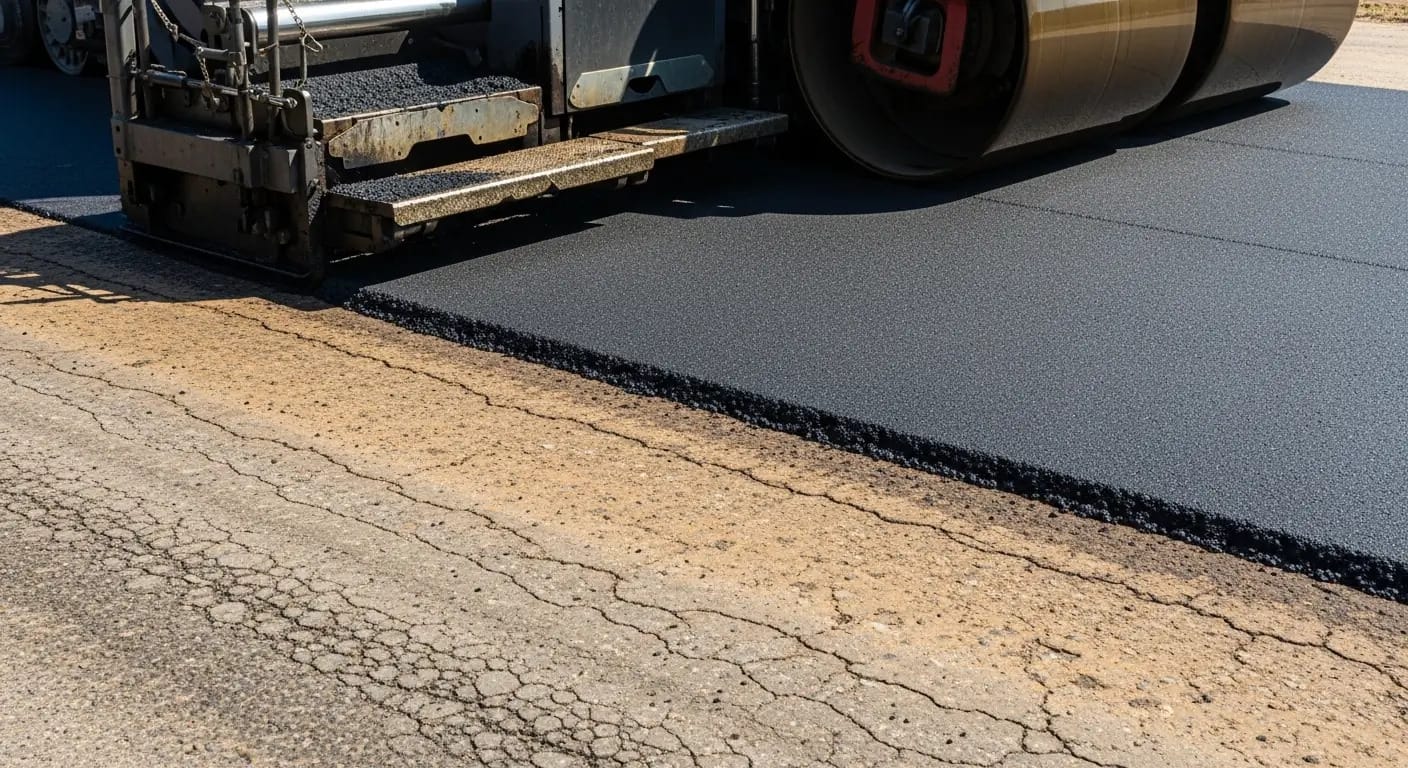
Refresh tired pavement with professional asphalt resurfacing in Phoenix, AZ. We apply new asphalt overlays over sound existing driveways, correcting minor flaws and giving your home a like new blacktop surface at a lower cost than full replacement.
Precision Asphalt Phoenix provides professional asphalt resurfacing throughout Phoenix, AZ, Arizona and the surrounding area. Our licensed, insured crew delivers safe, clean, on-time work with a free estimate before anything begins. Call (602) 603-4424 or request your free quote.
Asphalt Resurfacing & Overlays in Phoenix, AZ
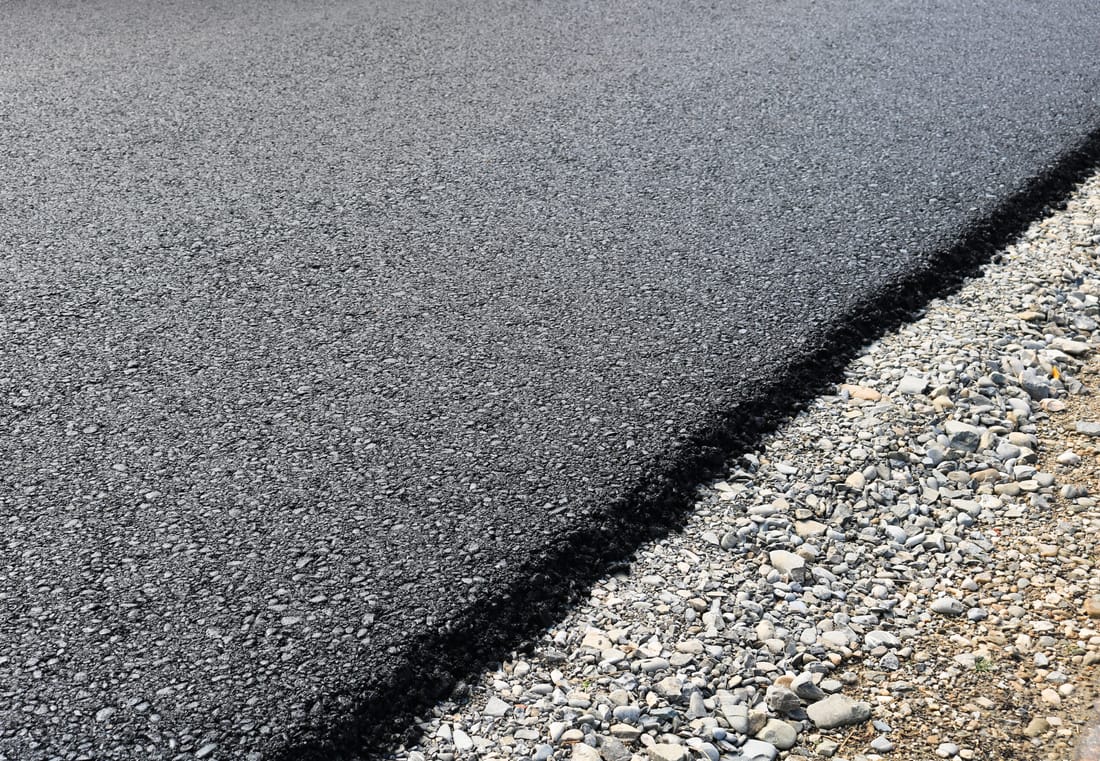
When asphalt in Phoenix starts to crack, ravel, or show spiderweb patterns, you do not always need a full tear out and replacement. Asphalt resurfacing and overlays let us install a new, structurally sound asphalt layer on top of your existing pavement, restoring smoothness and appearance at a lower cost than full reconstruction.
Precision Asphalt Phoenix focuses on resurfacing that is tailored to our desert conditions. Our crews evaluate how your pavement is aging under intense heat, UV exposure, and seasonal monsoon storms, then design an overlay that addresses those specific stresses. We combine detailed site prep with carefully selected mixes and tack coats, so the new surface bonds correctly, drains properly, and holds up for years in the Arizona sun.
This service is ideal for commercial parking lots, private roads, HOA streets, and residential driveways where the base is still solid but the surface is worn. We will tell you candidly if resurfacing is the right move or if your subgrade or base has failed to a point where overlaying would only hide problems temporarily.
How We Evaluate Whether Resurfacing Is Right For You
Before recommending asphalt resurfacing, Precision Asphalt Phoenix performs a structured assessment. We walk the site, chalk and photograph defects, and look for patterns like alligator cracking, rutting in wheel paths, standing water after irrigation or monsoon rains, and previous patch locations.
We typically core sample or test selected spots with a dynamic cone or probe rod to understand the condition and thickness of the existing asphalt and base. If we find deep structural failures, pumping fines, or chronic wet subgrade, we will likely recommend full-depth reclamation or reconstruction in those specific areas rather than simply overlaying over them.
We also evaluate slopes and drainage around buildings, scuppers, valley gutters, and landscape areas. In Phoenix, poor drainage quickly deteriorates an overlay, so if we see low areas or ponding near drive lanes or entrances, we build correction into the resurfacing plan. This might include localized milling, adding leveling courses, or adjusting transitions to concrete and utility covers.
At the end of this evaluation, you receive a clear explanation of where resurfacing is appropriate, where localized dig outs or patching are needed first, and what thickness and mix design we recommend for the overlay.
Our Asphalt Resurfacing & Overlay Process
Once resurfacing is confirmed as the right solution, Precision Asphalt Phoenix follows a step by step workflow that is adapted to Phoenix traffic patterns and weather.
1) Surface repair and preparation: We begin by cutting out and replacing severely cracked or sunken areas so those problems do not telegraph through the new surface. We fill medium cracks, repair potholes, and remove oil soaked spots that could prevent bonding.
2) Cleaning and edge work: All surfaces are power swept and blown clean, including tight areas near curbs and islands. We grind or mill key edges at tie in points like driveways, handicap ramps, and dumpster pads so the final surface transitions safely without tripping hazards or curb reveal issues.
3) Leveling course where needed: In areas with birdbaths or rutting, we place a fine leveling course of asphalt to correct profiles and improve drainage. This is especially important around Phoenix shopping centers that see heavy truck traffic and tight turning movements.
4) Tack coat application: We apply a uniform tack coat between the old surface and new overlay. This asphalt emulsion is critical in our climate because thermal expansion and contraction can cause layers to slip if they are not properly bonded. We protect nearby walls, curbs, and doors from overspray.
5) Overlay placement: Hot mix asphalt is delivered from local Phoenix plants at the correct temperature, then placed with a paver in controlled passes. We use vibrating screeds and steel drum rollers to achieve consistent compaction and a smooth finish. For most parking lots, overlays run from 1 to 2 inches thick, with heavier sections where turning or loading is intense.
6) Compaction and joints: We compact the mat in a specific pattern to minimize roller marks and ensure proper density. Longitudinal and transverse joints are staggered and sealed so they do not become weak points where cracks start.
7) Final detailing: Once the mat cools, we trim excess along edges, seal exposed joints, raise or adjust utility lids if needed, and prepare the surface for striping and signage.
Material Options Tailored To Phoenix Conditions
Not every overlay is the same. Precision Asphalt Phoenix works with different mix designs and performance additives based on how your pavement will be used and how the local environment will affect it.
For high traffic commercial centers or industrial yards, we often specify dense graded hot mix asphalt with a higher quality aggregate and binder content that resists rutting in triple digit temperatures. In drive aisles with regular truck loading, we may increase overlay thickness or use a stiffer performance grade binder that maintains stability in the heat.
In residential driveways or light duty HOA streets, we can use a mix that focuses on smoothness and appearance while still handling regular vehicle traffic. Where noise reduction near homes is important, we can consider a slightly more open surface texture that reduces tire noise, provided drainage conditions allow it.
We also factor in the timing of installation. In peak summer, we schedule overlays in early morning or evening windows so we can achieve proper compaction before the mat skins over in extreme heat. In cooler months, we monitor mix temperature closely so the overlay can be properly rolled out and compacted before it cools too far.
If you have existing overlays that have been chip sealed or fog sealed in the past, we evaluate compatibility with the new mix and may recommend light milling to remove problematic surfaces before placing the new asphalt.
Cost Drivers For Asphalt Resurfacing Projects
Asphalt resurfacing is usually more budget friendly than complete reconstruction, but pricing still varies significantly from site to site. Precision Asphalt Phoenix provides detailed proposals that break down the main factors, so you understand where your investment is going.
Key cost drivers include overlay thickness, square footage, and the amount of pre overlay repair needed. Thin overlays over relatively sound pavement cost less per square foot than thicker builds over heavily cracked or depressed areas that need dig outs and leveling courses.
Access and layout also affect cost. Tighter sites with many islands, drive through lanes, or loading docks require more handwork, smaller equipment, and extra mobilizations, which raises labor time. Phased work schedules to keep businesses open, such as working nights or weekends around Phoenix retail or medical facilities, also impact pricing.
Material choices matter too. Performance mixes designed for heavy truck traffic or specialty binders that handle fuel spills at gas stations and distribution yards are more expensive than standard mixes, but they prevent premature rutting and shoving in our heat.
Finally, traffic control and striping are part of realistic resurfacing budgets. If we must coordinate with city of Phoenix right of way requirements, manage multi lane closures, or re stripe complex ADA layouts, these needs will be reflected separately in your estimate.
Common Problems And How We Prevent Them
Many resurfacing failures in Phoenix have nothing to do with the material itself and everything to do with shortcuts in preparation, drainage, or compaction. Precision Asphalt Phoenix is very deliberate about preventing the issues we are often called in to fix after other contractors.
Slippage cracks and surface shoving often occur when no tack coat was used or when surfaces were dirty or oily before overlay. We insist on thorough cleaning and properly applied tack so the new mat bonds as a single system.
Reflective cracking is another common issue. If structural cracks in the old pavement are not repaired or bridged, they will show through the new surface within a year or two. Our team identifies which cracks are cosmetic and which are structural, then applies full depth patching, crack repairs, or fabric interlayers where needed.
Drainage related failures are especially common around Phoenix since localized heavy storms can quickly reveal low spots. Before overlaying, we locate standing water areas, determine whether they are caused by settlement or design, and correct slopes using leveling courses or minor grade adjustments.
We also plan carefully around edges and tie ins. Overlays that leave steep lips at curb ramps, dock aprons, or business entrances create both liability and damage points. Our crews mill or feather transitions so that the finished overlay looks intentional and functions smoothly for vehicles and pedestrians.
What Phoenix Property Owners Should Ask Before Hiring
Choosing a resurfacing contractor in Phoenix should be based on more than just price per square foot. Precision Asphalt Phoenix encourages you to ask specific questions so you can compare bids on substance, not just numbers.
Ask how the contractor will evaluate whether your pavement is a candidate for resurfacing, and whether they will perform any testing or coring. Request a written scope that distinguishes between patching, leveling course, and final overlay thickness, rather than a vague description.
Inquire about the tack coat type and application rate, and how they will protect adjacent surfaces from overspray. Confirm that they plan to address ponding areas, utility adjustments, and transitions to existing concrete or neighboring properties.
You should also ask how many similar resurfacing projects they have completed in the Phoenix area in the last year, particularly with comparable traffic types, such as retail, multifamily, or industrial. Local experience matters because a contractor who regularly works in this climate understands how scheduling, mix selection, and compaction practice must change with our temperatures.
Finally, make sure you receive a realistic phasing and traffic control plan that keeps your tenants, customers, or residents functioning while work is performed. A careful plan will spell out which sections are closed, how long cure times are before reopening to traffic, and when striping will be completed so your property returns to full operation quickly and safely.