Home › Asphalt Milling and Reclamation
Rebuild failing pavement efficiently with asphalt milling in Phoenix, AZ. We remove worn surfaces, recycle material, and perform full depth reclamation when needed to create a stable base for new asphalt.
Precision Asphalt Phoenix provides professional asphalt milling throughout Phoenix, AZ, Arizona and the surrounding area. Our licensed, insured crew delivers safe, clean, on-time work with a free estimate before anything begins. Call (602) 603-4424 or request your free quote.
Asphalt Milling Tailored to Phoenix Properties
Asphalt milling is often the most cost effective way to renew a worn parking lot or driveway in Phoenix without tearing everything out. Instead of removing the entire pavement, we use a specialized milling machine to grind and remove a controlled depth of the existing asphalt, usually between 1 and 3 inches, while leaving the solid base layer in place.
For local shopping centers along Bell Road, HOA streets in North Phoenix, and older industrial yards near Sky Harbor, this approach preserves the stable parts of your pavement and focuses investment where it is actually needed. Precision Asphalt Phoenix evaluates each surface for oxidation from sun exposure, rutting from heavy traffic, and damage from monsoon runoff to determine how deep the milling should go.
Because we are working with your existing pavement structure, asphalt milling is often much faster than full reconstruction and reduces trucking and disposal costs. It also avoids raising the finished height of your pavement, which is critical near garage slabs, curbs, ADA ramps, and valley gutters that already sit at tight elevations on many Phoenix properties.
Our Step by Step Milling and Reclamation Process
Every project starts with a site walk where a Precision Asphalt Phoenix estimator checks drainage patterns, existing slopes, soft spots, and cracks. We pay close attention to low areas that collect monsoon water, heaved spots from tree roots, and any mismatched transitions created by past overlays. Based on what we find, we recommend either pure milling with new asphalt, or full depth reclamation if the base is failing.
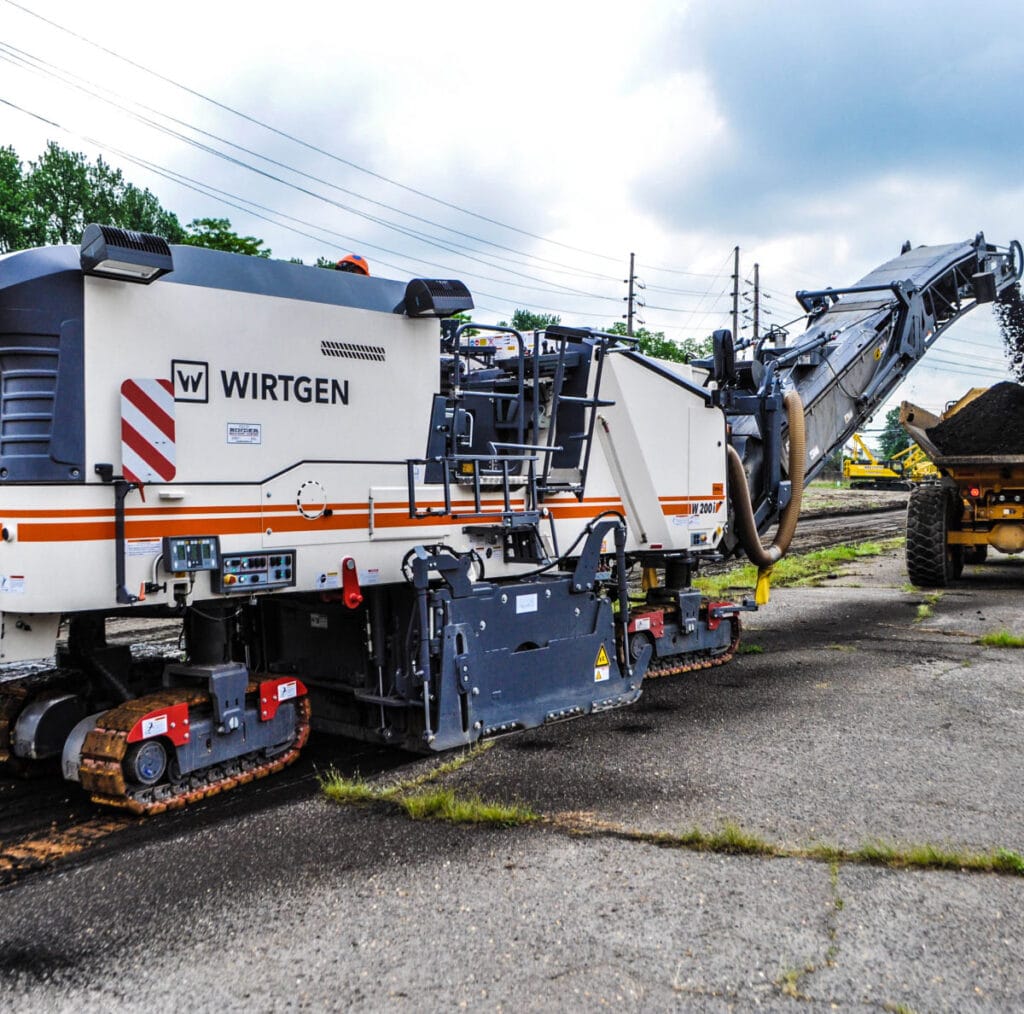
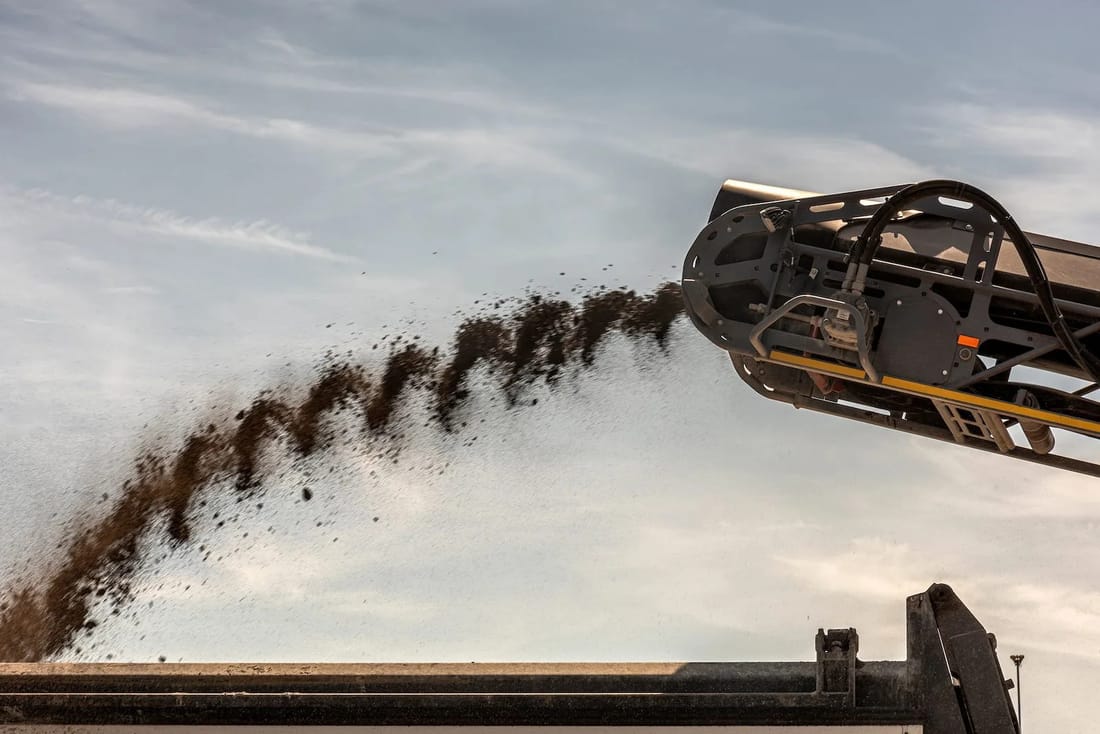
On milling day, our crew first closes and cones off work zones for safety and traffic flow. Utility covers, valve boxes, and drainage grates are located and marked so we can mill around or adjust them. We then position a cold planer (milling machine) that uses a rotating drum with carbide teeth to grind the surface. The machine collects the milled asphalt (RAP, or reclaimed asphalt pavement) on a conveyor and loads it directly into waiting trucks.
We typically make one or more passes to reach the specified depth while maintaining existing slopes toward drains or scuppers. A sweeper truck follows to remove dust and loose fines and we do a final tack coat application so the new asphalt layer bonds tightly to the milled surface. If we are performing reclamation, we use a reclaimer/stabilizer to blend existing asphalt and base together, sometimes with added cement or emulsions, then compact it to form a new stabilized base before paving. Every step is checked in the field so we do not create birdbaths or abrupt transitions that you will feel when driving.
Is Milling or Full Depth Reclamation Right for You?
The right solution depends on how deep your pavement problems go. If most of your damage is in the top layer, such as raveling, shallow potholes, surface cracking, or tire depressions from delivery trucks, asphalt milling with a fresh overlay is usually the best choice. This is common in Phoenix for commercial lots that are 10 to 20 years old and have had regular sealcoating.
Full depth reclamation is more appropriate when you see widespread base failure. Signs include large interconnected alligator cracking, significant sinking next to catch basins, movement around dumpster pads, or areas that have been patched repeatedly and fail again. Many older lots built before current city standards in central Phoenix and older industrial zones fall into this category.
Precision Asphalt Phoenix often uses a hybrid approach, milling most of the site to save costs, then reclaiming only the worst areas like heavily loaded drive lanes or dumpster pads. This keeps your budget focused on the actual problem areas rather than rebuilding everything. We explain the reasoning on a color coded site plan so you know exactly why each repair type is recommended.
How Arizona Climate and Soil Affect Asphalt Milling
Phoenix presents a unique combination of intense UV exposure, large temperature swings, and occasional heavy monsoon rains. Over time, the sun oxidizes the asphalt binder, turning it brittle and gray, which makes the top layer more likely to crack and ravel. Milling allows us to remove this damaged layer and replace it with fresh asphalt that has the right binder content for our climate.
Local soil and base conditions also matter. Much of the Valley has compacted granular bases that hold up well, but infill sites near older neighborhoods can have inconsistent fill material, including old construction debris or clay pockets that trap water. When our crew mills, we watch for any flexing or pumping of fines from the joints, which can indicate base problems below. If we see those signs, we may recommend spot undercutting, base repairs, or switching to reclamation in that section.
Drainage is a frequent issue on Phoenix properties because previous overlays sometimes raised pavement above valley gutters or created flat spots in front of entrances. Milling lets Precision Asphalt Phoenix reset the surface to a better elevation, reestablish cross slopes, and restore flow to scuppers and catch basins. We often mill deeper in high spots and shallower in low areas, then fine grade and compact before paving to achieve a smoother ride and better water runoff.
Costs, Timelines, and What Influences Your Price
Asphalt milling and reclamation are not one price fits all. Several specific factors shape your cost. Milling depth and total square footage are the biggest drivers, since they determine machine time, trucking, and the amount of new asphalt required. Heavier duty surfaces, such as service drives for trash trucks at apartment communities in West Phoenix, often need thicker overlays than light duty HOA streets.
Access and phasing also affect pricing. Tight sites where our milling machine and trucks must work in smaller sections, like medical offices with constant patient traffic, take more time and flagging labor than wide open industrial yards. If we need night or weekend work to keep your business running, that can add to the cost but often reduces overall disruption.
Base repairs, leveling courses, and drainage corrections are additional variables. When we bid a project, Precision Asphalt Phoenix breaks these items out clearly so you can see what is optional and what is necessary to avoid future failures. We also explain how long various options should last in Phoenix conditions, so you can balance budget against life expectancy instead of guessing. A typical commercial milling and overlay project may take 1 to 3 days on site, depending on size and phasing, and we provide a traffic control and access plan before work starts so tenants and customers know what to expect.
Preparing for Your Project and Why Precision Asphalt Phoenix
You can help your milling or reclamation project go smoothly by doing a few things ahead of time. We ask property managers to notify tenants several days in advance, move vehicles from the work zones, and coordinate with trash and delivery services to avoid scheduled work periods. Sprinkler systems near the pavement should be shut off during the project so water does not soften the base or interfere with compaction.
On site, Precision Asphalt Phoenix provides signage, cones, and flaggers as needed, and we maintain access to key entrances whenever possible. For multi building complexes or retail centers, we usually divide the job into phases so some parking and drive lanes remain open. Our foreman remains your point of contact, providing updates if weather or unexpected conditions require adjustments.
Choosing a contractor for asphalt milling is about more than just who owns a milling machine. Proper grade control, clean up, compaction, and joint detail are what determine whether your new surface looks good and drains properly for years. Our crews work full time in the Phoenix metro area, so they are familiar with city requirements, county specs, and common issues on local residential, commercial, and industrial properties. With Precision Asphalt Phoenix, you get a team that treats your site as if we will be maintaining it for the long term, not just resurfacing it once and moving on.