Home › Private Road and Lane Paving
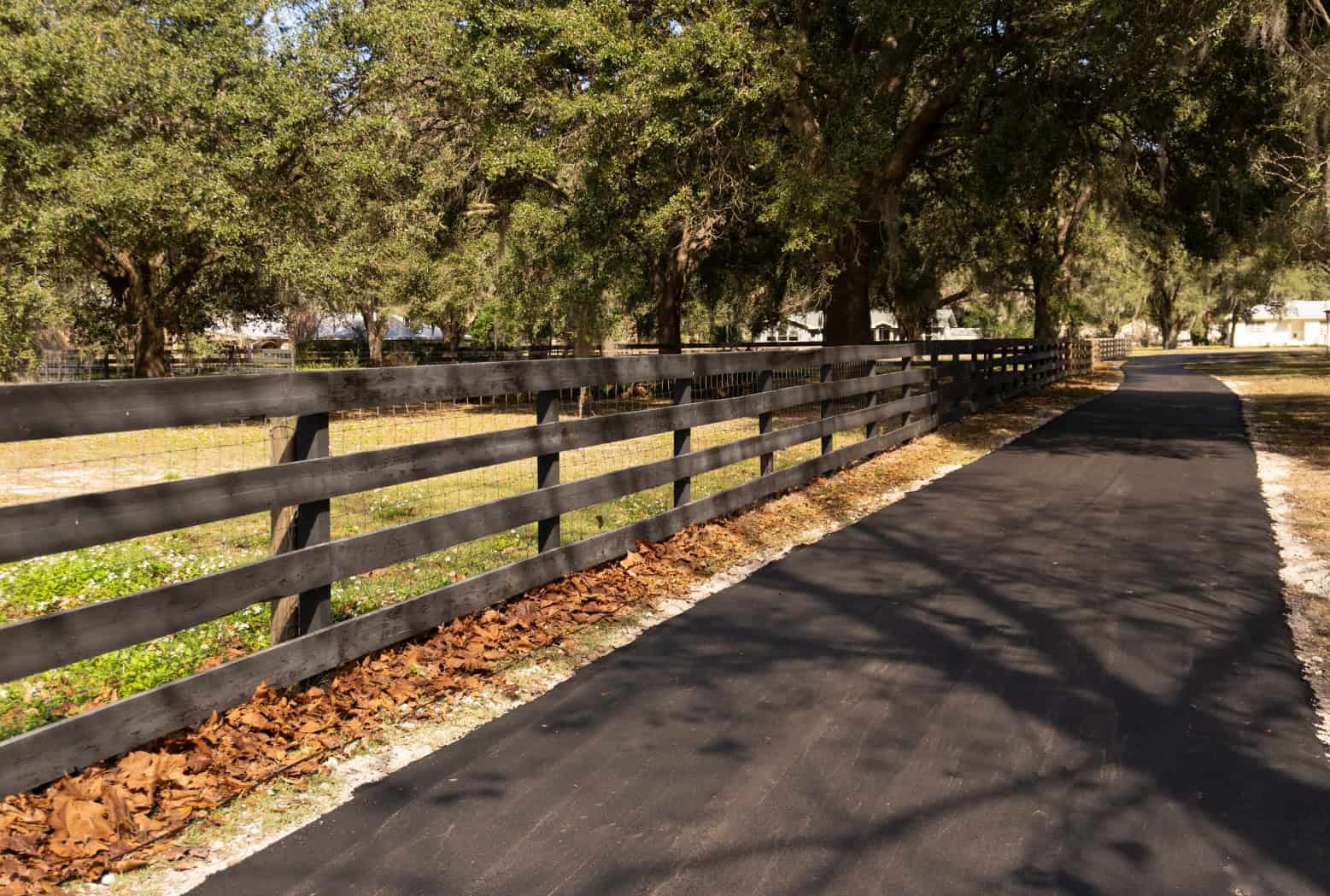
Improve access to your property with private road paving in Phoenix, AZ. We construct and resurface shared lanes and long drives with strong asphalt sections, proper drainage, and smooth transitions to public roads.
Precision Asphalt Phoenix provides professional private road paving throughout Phoenix, AZ, Arizona and the surrounding area. Our licensed, insured crew delivers safe, clean, on-time work with a free estimate before anything begins. Call (602) 603-4424 or request your free quote.
Private road paving built for Phoenix conditions
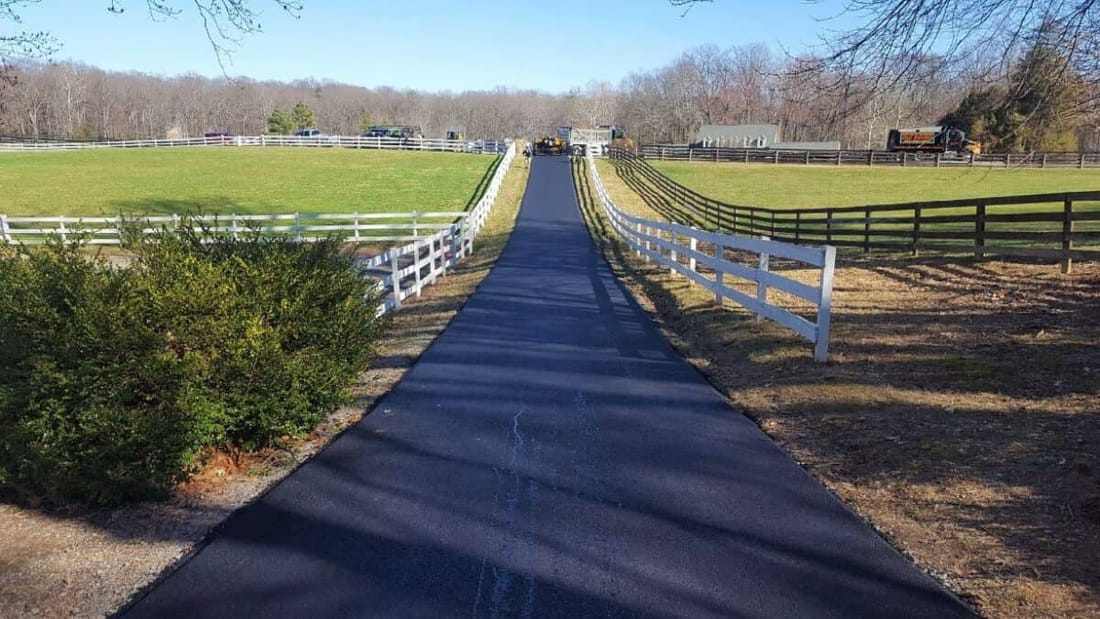
Private road and lane paving is very different from throwing down a quick layer of asphalt and calling it good. In Phoenix, the combination of extreme heat, sudden monsoon storms, and caliche soils will destroy a poorly designed private road in just a few seasons. Precision Asphalt Phoenix focuses on building private access roads that handle heavy vehicles, keep dust down, and stay smooth under 110+ degree temperatures.
Most of our private road clients are HOAs, small residential developments, ranch and agricultural properties, industrial yards, and shared driveways that function as access roads. Each one has different traffic patterns. A horse property with trailers a few times a week does not need the same design as a busy HOA lane with constant delivery trucks. We start every project by asking how the road will actually be used so the structure under the asphalt matches the real load.
We also look at how water moves on and around your property. In Phoenix, water damage does not come from frequent rain, it comes from short, intense events that dump a lot of water all at once. A private road that is slightly too low, or lacks proper crown and drainage, will break apart at the edges and rut in the wheel paths within a couple of monsoon seasons. Our approach is to solve these issues on paper before any equipment comes on-site.
How we evaluate your private road or lane
Before Precision Asphalt Phoenix gives a price, we walk the entire route of the proposed or existing private road with you. We check soil conditions, existing base or gravel, how close utilities are to the surface, and where water currently flows or ponds. Phoenix has a lot of hard caliche subgrade and also pockets of loose sandy material; they require very different prep.
We will often dig small test spots along the alignment to see what is under the existing surface. If you already have an old chip seal or thin asphalt lane, we determine whether the base is reusable or if it has to be rebuilt. Reusing a solid base can keep costs down; paving over a weak base only hides problems for a year or two.
For new roads in open desert or undeveloped land, we check for low areas that will collect runoff, especially near washes. Even if a road looks flat and dry in April, we design it as if a July storm is coming, adding crown (a slight center high point), side ditches where needed, and strategic low spots where water is allowed to cross without tearing up the asphalt. We also talk about access width, turnarounds for delivery or emergency vehicles, and whether future utility work is planned that could cut through your new pavement.
Private road paving process, step by step
Once we have a plan and you approve the scope and price, Precision Asphalt Phoenix schedules work in phases. For most private roads, the process looks like this:
First, grading and subgrade preparation. We strip loose material, vegetation, and old failed asphalt if needed, then shape the road with a motor grader. We cut high spots, fill low spots, and establish the proper crown or cross slope. In soft or pumping areas, we may undercut and replace with better material or add geotextile fabric to stabilize the base.
Second, base installation and compaction. We typically use a crushed aggregate base (AB) material that meets local specs. This is placed in layers, moisture conditioned, and compacted with vibratory rollers to achieve a dense, stable platform. The thickness depends on traffic loads: a lightly used residential lane might use 4 inches, while an industrial access or trash truck route might need 6 inches or more.
Third, asphalt placement. For most private roads in Phoenix, we install a hot mix asphalt surface in one or two lifts, usually 2 to 3 inches thick combined for residential use and up to 4 inches for heavier traffic. The mix design can be adjusted so it holds up under our high temperatures without rutting, which is important when asphalt surface temperatures can exceed 160 degrees in summer. We use a paving machine for consistent thickness and slope, then compact while the mix is at the right temperature.
Finally, we address edges, transitions, and drainage outlets. Neatly compacted shoulders and smooth tie-ins to existing driveways or public roads reduce edge cracking and trip hazards. If needed, we cut shallow swales or add small culverts to keep water from flowing straight down the road surface.
Material choices and design options for your lane
Not every private road needs the same asphalt mix or thickness. Precision Asphalt Phoenix designs for both budget and performance. A short, shared lane for three homes that only sees light vehicle traffic can use a standard residential mix and a moderate thickness. A long private road that carries construction equipment, delivery trucks, or farm machinery requires a stronger structure and sometimes a higher performance mix.
We walk you through options like single-course asphalt over thick base versus a thicker asphalt section over a thinner base, and we explain the pros and cons in terms of long-term performance and repair cost. In some remote areas where dust control is critical but budget is tight, we may discuss phased work: first building and compacting a proper aggregate base, then adding asphalt to the most critical sections, and returning later to pave the remaining segments.
We can also include features such as widened areas for passing, compacted shoulders for pedestrian or horse use, and reinforced turnouts at mailboxes or gate areas where vehicles tend to stop and turn. For HOAs and private communities, we coordinate road layout with existing landscaping, walls, and gate equipment so the finished road fits your property instead of forcing the property to adapt.
What drives the cost of private road paving in Phoenix
Many customers are surprised that two roads of similar length can have very different prices. Precision Asphalt Phoenix is transparent about what drives cost so you can make informed decisions.
Access is a big factor. A straight, open route that our trucks and paver can reach easily is more efficient than a narrow, winding alignment with limited staging space. Soil conditions matter: hard, stable subgrade requires less corrective work than loose or saturated areas that need undercutting and reinforcement.
Thickness of base and asphalt is another major driver. Heavier traffic, sharp grades where vehicles brake and accelerate, and frequent truck use all require stronger sections. It may cost more upfront to add base depth or an extra inch of asphalt, but that is usually cheaper than dealing with rutting, potholes, or structural failure a few years later.
Length of the road, number of tie-ins or driveways, and drainage solutions all affect labor and material. We also consider timing. Working in the peak of summer is possible, but we must manage asphalt temperatures very carefully so it does not cool too fast on longer runs. Spring and fall are often ideal in Phoenix because we can place and compact more efficiently, which may reduce crew time on larger roads.
Planning, maintenance, and timing for long-lasting results
Private road paving is not a one-time decision; it is part of how you manage your property for the next 15 to 25 years. Precision Asphalt Phoenix helps you plan for both installation and upkeep.
For many clients, the best time to pave is late fall through early spring. Asphalt behaves better in cooler air temperatures, and crews can work longer continuous runs without the mat cooling too fast. During monsoon season we watch the forecast closely and may schedule earlier pours in the day so fresh asphalt is not exposed to heavy downpours before it cools.
We also outline a simple maintenance plan tailored to your road. That usually includes keeping drainage ditches and culverts clear so water never stands on the pavement, placing load limits on very soft shoulder areas, and scheduling crack sealing before small thermal cracks expand in summer. For higher traffic private roads, we might recommend a seal coat after several years to protect the surface from UV and oxidation.
If you already have a failing private road, we can core or test it, identify whether the problem is in the surface only or in the structure underneath, and then recommend targeted repairs instead of a full rebuild where appropriate. Sometimes milling and overlaying is enough; other times partial reconstruction is needed in specific bad sections while the rest of the road is preserved. The goal is to match the solution to the actual problem so your private road or lane remains dependable for the long term.