Home › Commercial Gravel-to-Asphalt Conversions
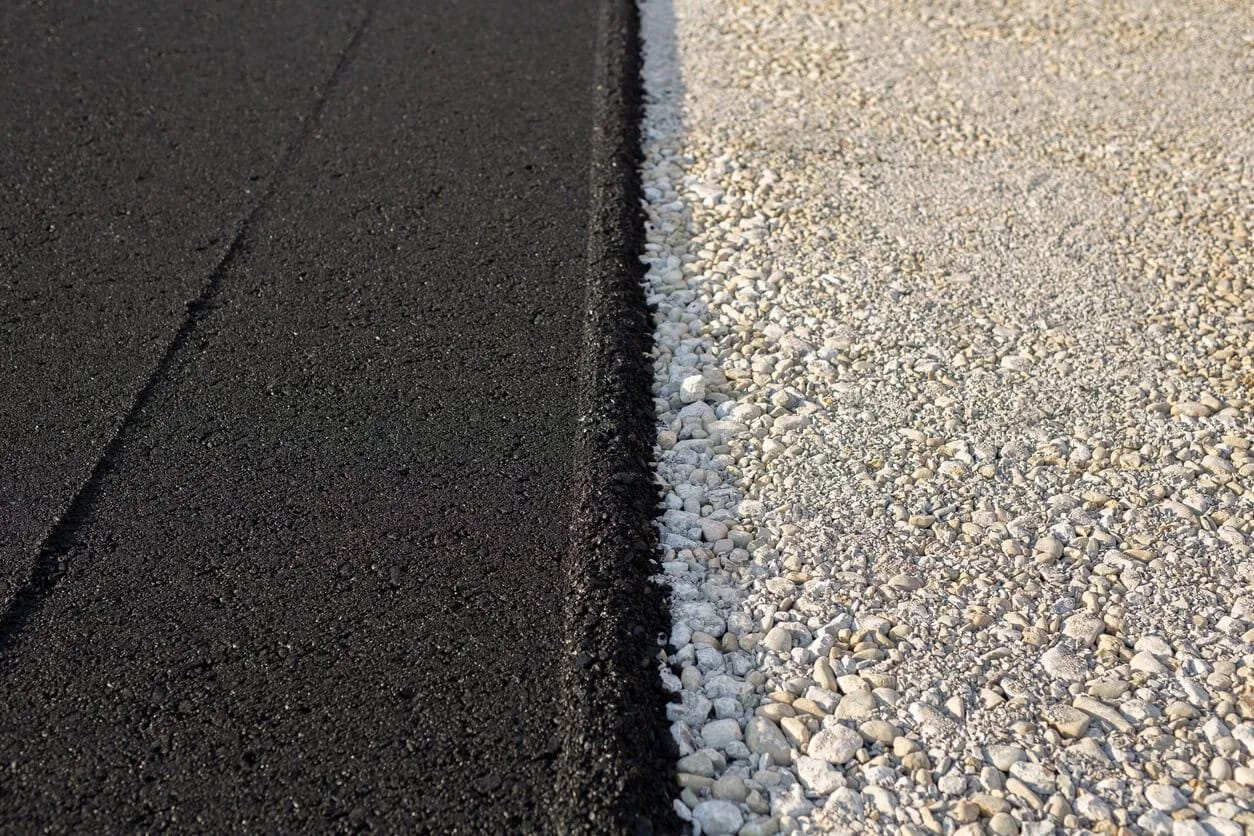
Upgrade rough gravel surfaces with commercial gravel to asphalt conversions in Phoenix, AZ. We turn dusty, rutted lots and drives into smooth, durable asphalt that improves access, reduces maintenance, and enhances your property image.
Precision Asphalt Phoenix provides professional commercial gravel to asphalt throughout Phoenix, AZ, Arizona and the surrounding area. Our licensed, insured crew delivers safe, clean, on-time work with a free estimate before anything begins. Call (602) 603-4424 or request your free quote.
Turn Your Gravel Lot Into a Professional Asphalt Surface
If you are tired of dust, mud, and ruts in your commercial gravel lot, Precision Asphalt Phoenix specializes in commercial gravel to asphalt conversions that are built for Arizona conditions. We help property managers, HOAs, churches, schools, and business owners across the Phoenix metro turn loose gravel into smooth, durable asphalt that looks professional and is easier to maintain.
Phoenix’s dry climate, heavy monsoon downpours, and intense summer heat are hard on unpaved surfaces. Gravel washes out into streets and drainage swales, potholes form, and customers track dust into buildings. An asphalt conversion gives you a stable driving surface, clearer parking layout, and better drainage control around your buildings.
Our team does not just “pave over” what you already have. Commercial gravel to asphalt work in Phoenix means evaluating your existing base, the way water runs through your property during storms, and how your traffic actually moves. From there, we build a plan that fits your site instead of forcing a generic template.
Whether you manage a busy retail center near Desert Ridge, an industrial yard near Sky Harbor, or a church parking lot in Glendale, we scale the design to match your traffic, vehicle weights, and budget. You get a step by step explanation up front so you always understand what you are paying for and what to expect during construction.
Our Gravel-to-Asphalt Conversion Process in Phoenix
For commercial gravel to asphalt conversions, the quality of the subgrade and base is everything. Precision Asphalt Phoenix uses a structured process that lines up with what actually works in the Phoenix area, where caliche layers, expansive clays, and irrigation leaks can cause long term problems if they are ignored.
1. Site walk and evaluation
We start with a detailed walk of your lot, not just a quick glance from the street. We look at current drainage paths, low spots that hold water, soft or pumping areas in the gravel, and access points that get the heaviest traffic. In Phoenix we also pay attention to where monsoon runoff comes from, such as neighboring properties or nearby alleys.
2. Grade checks and base testing
Our crew checks existing grades with a laser level so we know how much cut or fill will be needed to achieve positive drainage away from buildings, doors, and ADA routes. On older yards we may dig a few small test pits to see what is under the gravel, such as decomposed asphalt, construction debris, or weak native soil.
3. Subgrade preparation
We remove loose, oversize, or contaminated gravel, then proof roll the area with a loaded truck or roller. Soft spots are excavated and replaced with compactable aggregate base. In Phoenix soil types, this step is critical because weak areas will quickly become potholes once you add truck traffic.
4. Base installation and compaction
If the existing gravel base is thin or inconsistent, we install new ABC (aggregate base course) to the thickness your project needs, often 4 to 8 inches for commercial work. The base is graded for proper slope and compacted with vibratory rollers to meet density targets. We adjust slopes to push stormwater toward existing inlets or new valley gutters, which helps during our intense monsoon downpours.
5. Asphalt paving
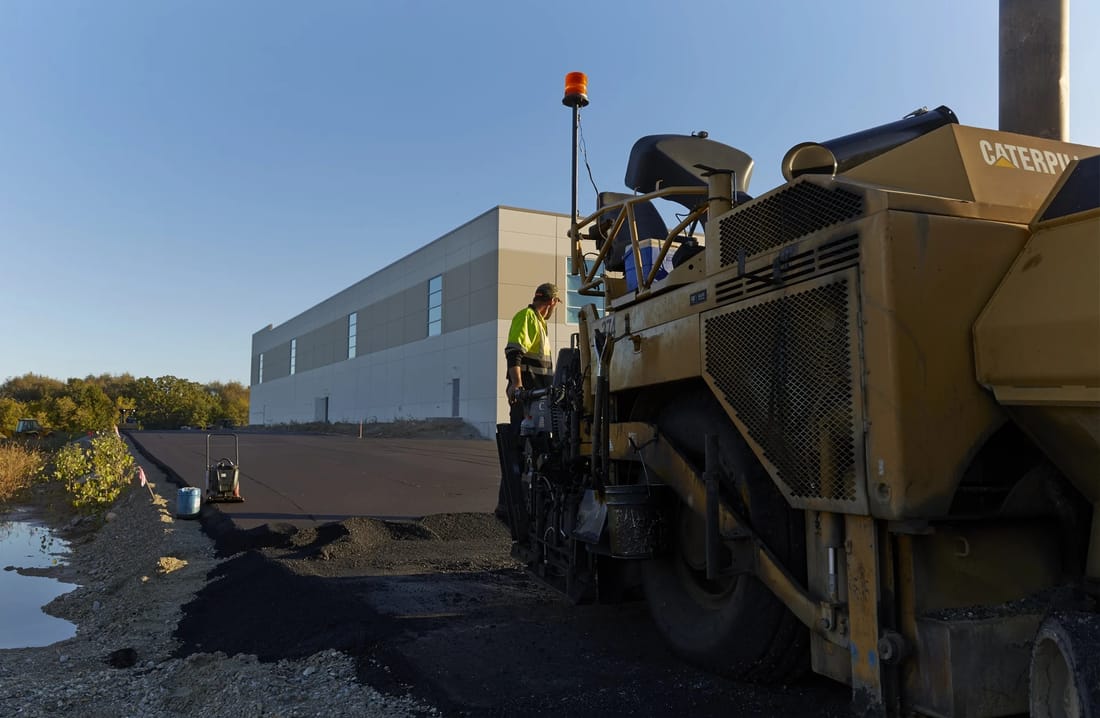
We install hot mix asphalt at a thickness matched to your traffic: lighter sections for car parking, heavier sections where trash trucks or delivery semis turn and stop. In Phoenix we also select mix designs that handle high pavement temperatures and resist rutting in the summer.
6. Finishing, striping, and cleanup
Curbs, wheel stops, and ADA ramps are adjusted or added as needed. Finally, we stripe the lot for efficient parking and safe traffic flow. We keep access open as much as possible, often phasing work so your business can operate during the project.
Design Options and Cost Drivers for Commercial Gravel to Asphalt Projects
Every commercial gravel to asphalt conversion is a little different, and in Phoenix the design has to account for heat, monsoon storms, and the type of vehicles using your lot. Precision Asphalt Phoenix walks you through the options that have the biggest impact on both performance and cost.
Asphalt thickness: A light duty lot with mostly cars might use 2.5 to 3 inches of asphalt over a solid base. Areas with frequent truck loading, dumpster service, or bus traffic may need 3.5 to 5 inches or a combination of base and surface courses. We can also recommend reinforcing options, such as thicker sections at dumpster pads and loading docks.
Base depth and quality: If your existing gravel is clean and compacted, we may be able to regrade and reuse much of it, which saves cost. If the base is thin, contaminated with fines, or contains buried trash or organics, it is more cost effective long term to remove and replace it with new aggregate base than to fight ongoing pavement failures.
Drainage improvements: Adding valley gutters, catch basins, or minor regrading increases upfront cost but can prevent thousands of dollars in repairs later. In Phoenix, poor drainage leads to localized flooding during monsoons, which quickly turns into base failures and potholes.
Access, phasing, and business operations: Working around busy drive-thrus, apartment access, or 24-hour operations can require night or weekend work and more phases. That planning adds to the project price but keeps your business functional and tenants satisfied.
Surface features: Marked fire lanes, ADA compliant stalls and ramps, concrete dumpster pads, and protective curbing are all options that affect your final price but are often needed to meet city or insurance requirements.
During estimating, we walk your site with you, point out areas where you can save money without hurting performance, and identify locations where cutting corners would likely cause problems in Phoenix conditions. You get a written scope that spells out thicknesses, materials, and phasing, not just a single lump sum number with no explanation.
Common Problems We Solve During Gravel-to-Asphalt Conversions
Old gravel lots and yards around Phoenix often hide issues that only show up when someone starts grading. Precision Asphalt Phoenix has converted many of these properties, so we plan for the most common surprises and explain how we handle them.
Soft or saturated areas: Irrigation overspray, leaking landscape lines, or historic drainage issues can create pockets of soft soil below the gravel. When we find these, we undercut the weak material, install new aggregate base, and sometimes use geotextile fabric to separate the base from the subgrade so the problem does not come back.
Buried debris and construction waste: On older properties, especially in industrial zones, we often find broken concrete, chunks of asphalt, or trash buried under a few inches of gravel. Leaving this material in place usually causes reflective cracking and base failures. We remove the debris and rebuild the base so the asphalt has even support.
Poor drainage patterns: Many gravel lots simply follow the natural slope of the land. That can send stormwater toward building entrances, storage units, or neighboring properties. During conversion, we correct elevations to create gentle crowns or swales that direct water to appropriate outlets instead.
Dust control and access during construction: When we cut or regrade gravel, dust can become a problem in Phoenix’s dry climate. We use water trucks and timing strategies to control dust while still keeping most of your parking or yard accessible. For busy properties, we phase work so only sections are out of service at any given time.
City requirements and inspections: Commercial gravel to asphalt upgrades sometimes trigger city plan review, drainage requirements, or new ADA standards. We can coordinate with your civil engineer or directly with the city as needed so your project passes inspection and you do not end up tearing out fresh asphalt to make corrections.
Why Local Experience Matters for Phoenix Gravel-to-Asphalt Work
Choosing a partner for a commercial gravel to asphalt conversion in Phoenix is not just about getting the lowest bid. Local experience with our soils, weather patterns, and permitting environment makes a visible difference in how long your new pavement lasts.
Precision Asphalt Phoenix is based here, so we build around local realities: extreme surface temperatures, low humidity, strong UV exposure, and short but intense storms. We know which mix designs hold up better in parking lots that sit in the sun all day, and we know how quickly you can lose base moisture in June and July if the work is not sequenced correctly.
We also understand how your lot functions in the real world. For example, multifamily communities around Phoenix often see heavy delivery and rideshare traffic at night, while industrial yards see forklift crossings and loaded trucks during the day. We factor those patterns into where we reinforce pavements and how we suggest striping and traffic flow.
Communication is just as important as the construction itself. Before work starts, we help you create notices for tenants, customers, or employees so everyone knows what areas will be closed and when. For multi phase projects, we provide a clear schedule and update you quickly if weather or unforeseen site conditions require adjustments.
If you are considering a commercial gravel to asphalt conversion anywhere in Phoenix, Scottsdale, Glendale, Peoria, or the surrounding area, Precision Asphalt Phoenix can assess your site, provide detailed options, and deliver a finished pavement that fits your budget and your operations. Contact us to schedule an on site review and we will walk the property with you, explain what we see in plain language, and recommend a practical plan to move from gravel and dust to a clean, durable asphalt surface.