Home › Asphalt Pathways, Sidewalks, and Trails
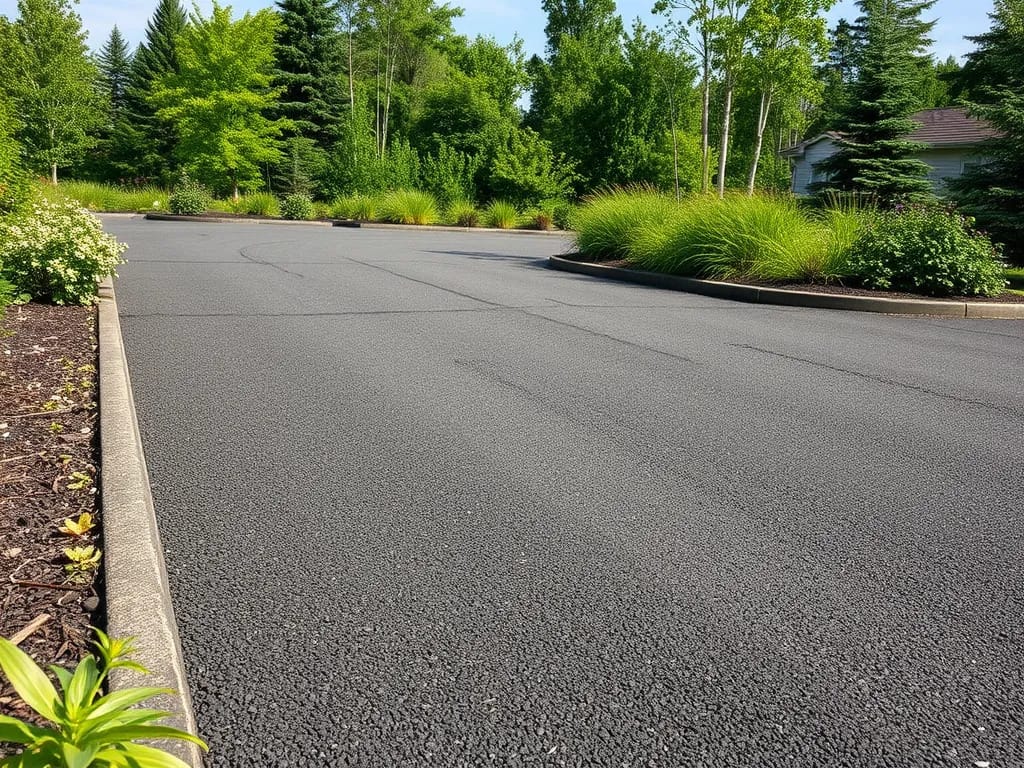
Connect your property with safe routes using asphalt pathway paving in Phoenix, AZ. We build and resurface sidewalks, multi use trails, and bike paths with smooth, accessible asphalt surfaces for parks, campuses, and communities.
Precision Asphalt Phoenix provides professional asphalt pathway paving throughout Phoenix, AZ, Arizona and the surrounding area. Our licensed, insured crew delivers safe, clean, on-time work with a free estimate before anything begins. Call (602) 603-4424 or request your free quote.
Practical Asphalt Pathways, Sidewalks, and Trails in Phoenix
Precision Asphalt Phoenix focuses on one thing with pathway paving: surfaces that hold up in brutal Phoenix heat and actually feel good to walk, bike, or push a stroller on. Asphalt is flexible compared to concrete, which helps it handle our temperature swings from cool desert nights to 110° afternoons.
For walkways, neighborhood connectors, HOA paths, school campuses, and park or canal trails, we use hot mix asphalt designed for Arizona conditions. We look at how the path will be used: light pedestrian traffic, bikes and scooters, maintenance carts, or occasional service vehicles. That use drives how thick the pavement should be and what mix we choose. A walking path behind homes does not need the same structure as a multi‑use trail that gets utility trucks, and we plan the section to match.
From the first visit, we pay attention to grades, drainage patterns, and surrounding landscaping. Phoenix monsoon storms can turn a small design mistake into a washed out edge or standing water that softens the base. The layout, slope, and edge support are just as important as the asphalt itself if you want a pathway that still looks good ten years out.
How We Build an Asphalt Pathway Step by Step
A good asphalt pathway starts under the surface. We begin by marking utilities and verifying the final path alignment onsite. Then we strip vegetation and organic material down to firm native soil. In many Phoenix neighborhoods that means compacted caliche or sandy soils that drain fast. Where soils are loose or have been backfilled, we may over‑excavate and bring in better base material.
Next, we build the aggregate base. For most sidewalks and trails we use 3/4 inch minus aggregate base at a depth that matches the expected use, often 3 to 6 inches, compacted in thin lifts using plate compactors or small rollers. We check density with a gauge or at minimum with proof rolling to make sure there are no soft spots. This step is what keeps your pathway from cracking or settling along tree lines or trench backfills.
Once the base is shaped, we set forms or stringlines where tighter edges are needed, then pave with hot mix asphalt that arrives from a local Phoenix plant. For smaller pathways we often use a small mechanical paver for a consistent mat. In tighter or winding areas we place by hand and compact with walk‑behind rollers and plate compactors. Typical thickness for pedestrian asphalt pathways is 2 to 3 inches compacted, with thicker sections where light vehicles will travel.
After compaction, we cut clean joints at tie‑ins, handwork around drains or utility lids, and make sure surface water will shed off the path, not sit in birdbaths. In hotter months we schedule the paving window carefully. Asphalt can skin over fast in 105° plus temperatures, so our crews adjust rolling patterns and use smaller loads to keep compaction time within spec.
Design Choices, Edging, and Surface Options
Asphalt pathway paving is more flexible than most people realize. With Precision Asphalt Phoenix, you can choose from a basic utility path or a more finished look that fits a community or campus.
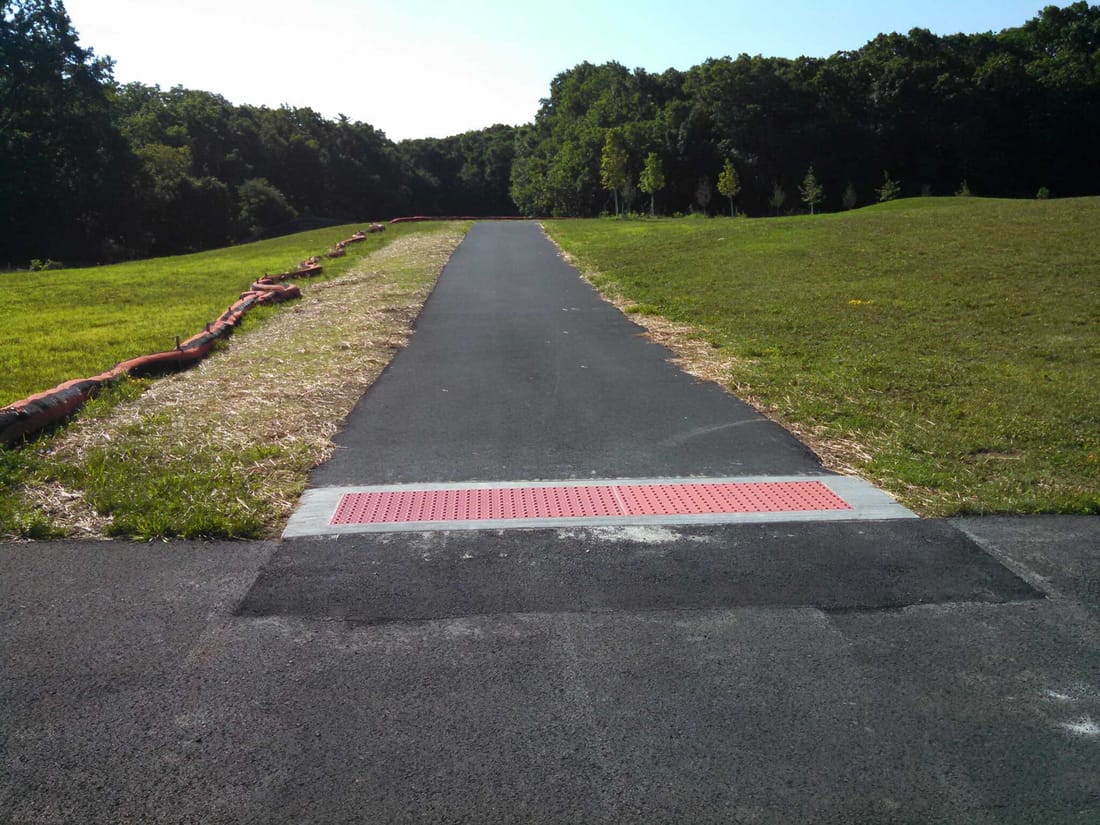
For layout, we can work with gentle curves that follow the land or straighter lines that simplify construction and snowbird cart access. We pay close attention to ADA considerations along public sidewalks and shared‑use paths, including cross slopes, running slopes, detectable warnings at street crossings, and smooth transitions to concrete ramps.
Edge support is a key design choice that affects both look and longevity. Options include compacted shoulder with native soil and rock, asphalt edge strips that thicken the outer 6 to 12 inches where traffic or landscaping equipment will run, or concrete headers for a crisp border along turf or decomposed granite. In high erosion areas like near washes, we may recommend rock riprap or armor along the downslope edge to handle summer storm runoff.
For the surface itself, we can adjust the mix and finish for different uses. Finer aggregate mixes provide a smoother ride for bikes, scooters, and wheelchairs. Coarser mixes provide more texture and grip on steeper sections and wash crossings. Where heat buildup is an issue, such as around playgrounds or pool walkways, we can discuss lighter chip seal or specialty seal coats that reflect more sunlight than standard black asphalt, while still staying within reasonable budgets.
For trails that run through natural desert, we keep the profile low and use colors and edge treatments that blend with the landscape, so the path is functional without looking out of place.
Costs, Local Conditions, and Common Pathway Issues
The cost of asphalt pathway paving in Phoenix depends on a few specific factors: total length and width, base thickness, access for equipment, and how much grading or debris removal is needed. Narrow, winding backyard or HOA connector paths are often more labor heavy because we cannot always use a full‑size paver or roller, which affects the price per square foot. Long, straight greenbelt or canal paths usually cost less per square foot because production is more efficient.
Soils and drainage play a big role in both cost and performance. In parts of the Valley with heavy clay or poorly compacted fill, we may need additional base depth or soil stabilization to avoid differential settlement and cracking. Where drainage from roofs or adjacent lots crosses the path, we design swales, culverts, or cross‑slopes so water is directed over or under the path without undermining it.
Common issues we see on older Phoenix pathways include edge raveling where irrigation or foot traffic breaks down unsupported sides, tree root heaving from fast growing shade trees, and reflective cracking over old trench lines. Precision Asphalt Phoenix addresses these by thickening edges during construction, planning tree placements and root barriers with landscapers, and reinforcing or bridging over known utility crossings.
Timing matters in our climate. We typically avoid major pathway construction during the peak of monsoon storms when erosion risk is highest and during rare winter cold snaps when overnight temperatures can slow proper asphalt curing. For HOA and commercial properties, we help schedule work to avoid heavy use periods, like school start and end times or weekend park events, and we can phase projects so part of a trail or sidewalk network remains open.
We are transparent about what drives the numbers so you can compare bids fairly: base depth and type, asphalt thickness and mix, edge treatment, drainage improvements, and any ADA upgrades or concrete components.
Maintenance and How to Get an Estimate in Phoenix
Once your asphalt pathway or sidewalk is in, basic maintenance is straightforward if you plan for it. We typically recommend a seal coat within 1 to 3 years, depending on sun exposure and traffic, then on a cycle of every 3 to 5 years after that. Seal coat protects the asphalt binder from Phoenix ultraviolet exposure, which is what dries out the surface and leads to early cracking.
We encourage owners and managers to walk their paths at least once a year, preferably after monsoon season, and note any ponding water, edge drop‑offs, or new cracks. Fine alligator cracking in high sun areas may be a sign the surface is oxidizing and needs seal coat or localized patching. Isolated low spots that hold water can often be solved with skin patches or localized milling and re‑paving, rather than replacing long sections.
For HOA boards and property managers, Precision Asphalt Phoenix can map your entire pathway and sidewalk system, assign condition ratings, and prioritize repairs over several budget years. This avoids surprise failures and spreads costs out. On public or campus pathways, we can also help with trip hazard surveys and phased grinding, patching, or overlay work.
To get an estimate, we usually start with a site visit. We measure, check grades and soil conditions, look at how people actually use the area, and discuss options for width, thickness, edging, and finish. If you already have plans, we can price directly from those and offer practical suggestions based on what we know works in Phoenix conditions. Our written proposals break out main components so you can see exactly what you are paying for in your asphalt pathway paving project.